
Kick Off the Year with Better Hearing in Colorado’s Front Range
Florence, United States - February 18, 2026 / Lifetime Hearing Services, Inc /
As Colorado residents emerge from the coldest months of winter and look toward spring, February presents an ideal opportunity to prioritize your hearing health. While many people associate seasonal health checkups with vision or dental care, hearing evaluations are just as crucial—especially for those living active lifestyles in Boulder, Fort Collins, Longmont, and Loveland.
At Hearing HealthCare Centers, we've noticed a unique pattern each February: individuals who struggled through noisy holiday gatherings and quiet winter months finally recognize it's time to address their hearing concerns. Whether you've been turning up the TV volume during those cozy indoor evenings or found yourself asking loved ones to repeat themselves more frequently, early spring is the perfect moment to take action.
Understanding How Colorado's Climate Affects Your Hearing
Living along Colorado's Front Range comes with distinct seasonal challenges that can impact your ears and hearing health. The dry winter air, rapid altitude changes, and fluctuating temperatures between day and night create conditions that many residents don't realize can affect their auditory system.
During February, as temperatures begin their gradual climb but nights remain cold, the contrast can cause Eustachian tube dysfunction—a condition where the tubes connecting your middle ear to the back of your throat don't equalize pressure properly. This is particularly common among outdoor enthusiasts who ski in the morning and return to lower elevations by afternoon.
Additionally, Colorado's notoriously low humidity levels during winter months can lead to excessive earwax production as your body attempts to protect the delicate skin inside your ear canals. This buildup can create temporary hearing difficulties that people sometimes mistake for permanent hearing loss. A professional evaluation can determine whether your hearing challenges stem from something simple like earwax impaction or require more comprehensive intervention.
The Hidden Connection Between Hearing Loss and Quality of Life
Many Colorado residents pride themselves on maintaining active, engaged lifestyles well into their retirement years. From hiking the trails at Horsetooth Reservoir to enjoying cultural events in downtown Boulder, staying connected to your community depends heavily on clear communication. Yet untreated hearing loss creates barriers that gradually erode these connections.
Research consistently shows that hearing loss doesn't just affect your ears—it impacts your brain, social relationships, and overall well-being. When you strain to hear conversations at your favorite Fort Collins restaurant or miss important dialogue during Longmont community theater productions, you're not just experiencing frustration. You're potentially setting yourself up for social isolation, which research has linked to increased risks of depression, anxiety, and even cognitive decline.
The good news? Modern hearing solutions have evolved dramatically. Today's hearing aids are sophisticated devices packed with technology designed specifically to help you hear better in challenging environments—whether that's a crowded Loveland brewery or a quiet conversation on a windy trail.
Why February is Strategic Timing for Hearing Healthcare
There's a practical advantage to scheduling your hearing evaluation in February rather than waiting for summer or fall. First, audiological practices typically experience lower patient volumes during late winter, meaning you'll likely secure appointment times that fit your schedule more easily. This also allows for longer, more detailed consultations where your audiologist can thoroughly assess your hearing and discuss your lifestyle needs.
Second, if your evaluation reveals you could benefit from hearing aids, starting the adjustment process in February gives you several months to adapt before the busy summer season. Learning to use and maintain your devices, adjusting to how sounds are processed, and fine-tuning settings with your audiologist takes time. Beginning this journey in February means you'll be fully comfortable with your hearing aids by the time wedding season, graduation parties, and summer outdoor concerts arrive.
Third, many people find that addressing hearing concerns during the quieter winter months feels less overwhelming. There's something psychologically beneficial about tackling health goals when life's pace is slightly slower, allowing you to focus on the process without the distractions of peak activity seasons.
What to Expect During Your Hearing Evaluation in Colorado
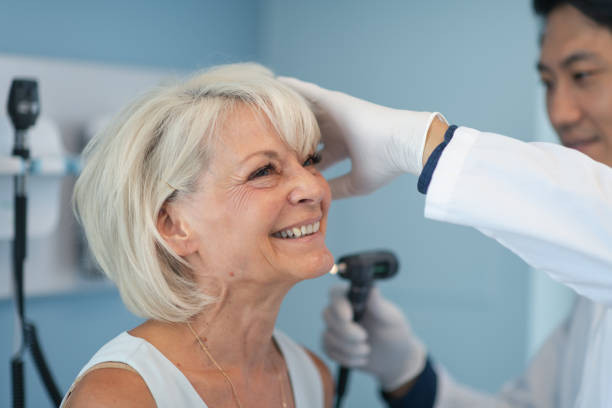
At Hearing HealthCare Centers, comprehensive hearing evaluations go far beyond the simple hearing tests many people remember from school. Dr. Whitney Swander and her team of doctorate-level audiologists conduct thorough assessments that examine multiple aspects of your auditory system.
The evaluation typically begins with a detailed discussion of your hearing concerns, medical history, and lifestyle. This conversation is crucial because hearing solutions must be tailored to your specific needs. Someone who spends weekends skiing and hiking requires different considerations than someone whose primary concern is hearing grandchildren during video calls.
Next comes the diagnostic testing phase, which includes pure-tone audiometry to determine the softest sounds you can hear at different frequencies, speech testing to evaluate how well you understand words, and potentially tympanometry to assess middle ear function. These tests are painless and provide detailed information about both the type and degree of any hearing loss present.
If tinnitus (ringing in the ears) is a concern, specialized testing can characterize the specific nature of your tinnitus and guide treatment approaches. Many people don't realize that modern hearing aids include features specifically designed to manage tinnitus, offering relief from the constant ringing or buzzing that can be so frustrating.
Modern Hearing Aid Technology: Beyond Simple Amplification
If you haven't explored hearing aids in recent years, you might be surprised by how dramatically the technology has advanced. Gone are the days of bulky, whistling devices that simply made everything louder. Today's hearing aids are sophisticated computers designed to process sound intelligently, helping you hear what matters most while minimizing background noise.
Consider the challenges unique to Colorado living: conversations during outdoor activities with wind noise, communication in high-ceilinged restaurants where sound echoes, or trying to hear hiking companions on busy trails. Modern hearing aids address these scenarios through directional microphones that focus on speech in front of you, noise reduction algorithms that suppress unwanted sounds, and even AI-powered processing that learns your preferences over time.
Bluetooth connectivity has transformed hearing aids into multi-functional devices. You can stream phone calls, music, and podcasts directly to your hearing aids, take calls hands-free while driving through Colorado's mountain passes, and even use your smartphone to adjust settings discreetly without touching the devices. Some models include fall detection and GPS tracking—features particularly valuable for active older adults who want to maintain independence.
Perhaps most importantly, contemporary hearing aids are designed with aesthetics in mind. Many models are nearly invisible when worn, sitting completely inside the ear canal or tucked discreetly behind the ear in a variety of color options that match your hair. For those concerned about appearance, rest assured that today's devices are far more subtle than you might imagine.
The Local Advantage: Why Choosing a Community-Based Practice Matters
While big-box retailers and online hearing aid vendors have entered the market in recent years, there are distinct advantages to working with an established local audiology practice like Hearing HealthCare Centers. For over two decades, this practice has served Colorado's Front Range communities, building relationships that extend beyond transactional healthcare.
When you work with the same audiologist over time, they become familiar with your specific hearing profile, lifestyle needs, and preferences. This continuity of care means adjustments and fine-tuning happen more efficiently because your provider truly knows you. Additionally, having physical clinic locations in Boulder, Fort Collins, Longmont, and Loveland means you're never far from expert support when you need maintenance, repairs, or consultations.
Local audiologists also understand the unique environmental factors affecting hearing in your area. They're familiar with the altitude-related ear pressure issues common in Colorado, the impact of dry climate on ear health, and the specific hearing challenges presented by the region's popular activities. This contextual knowledge translates to more relevant care recommendations.
Furthermore, community-based practices are invested in their local reputation. When your neighbors, friends, and family members might become future patients, there's additional incentive to provide exceptional care. The team at Hearing HealthCare Centers has built their practice largely through word-of-mouth referrals—a testament to patient satisfaction that can't be replicated by national chains or online retailers.
Taking the First Step: Making Your Appointment
If you've been contemplating whether you need a hearing evaluation, February is an excellent time to stop wondering and take action. Even if you're not certain whether you have hearing loss, a baseline hearing test provides valuable information for future comparison. Hearing changes gradually over time, and having a record of your hearing at various ages helps audiologists detect subtle shifts that might otherwise go unnoticed.
Making the appointment is straightforward. You can reach Hearing HealthCare Centers at their Boulder location at 303-963-9473, Fort Collins at 970-578-1314, Longmont at 303-963-9637, or Loveland at 970-999-1839. The friendly staff will work with you to schedule a convenient appointment time and answer any preliminary questions you might have.
Before your appointment, take a few minutes to jot down specific situations where you've noticed hearing difficulties. Do you struggle more in certain environments? Are particular voices harder to understand? Have family members mentioned that you seem to miss parts of conversations? These observations help your audiologist understand your unique challenges and tailor recommendations accordingly.
Financial Considerations and Insurance Coverage
Many people delay hearing evaluations because they're concerned about cost, but understanding your options can alleviate these worries. Most insurance plans cover diagnostic hearing evaluations, particularly when there's a medical reason for the test such as noticeable hearing difficulty, tinnitus, or ear pain.
Regarding hearing aids, coverage varies significantly by plan. Medicare traditionally hasn't covered hearing aids, though some Medicare Advantage plans now include hearing benefits. Private insurance coverage ranges from partial reimbursement to comprehensive benefits depending on your specific plan. The team at Hearing HealthCare Centers can help you understand your insurance benefits and explore payment plans if needed
It's also worth considering the cost of *not* addressing hearing loss. When you factor in the social, cognitive, and emotional impacts of untreated hearing difficulties, the investment in hearing healthcare often provides substantial return in terms of quality of life. Many patients report that better hearing helps them stay engaged in their careers longer, maintain important relationships, and continue enjoying the activities that make life in Colorado so appealing.
Frequently Asked Questions About Hearing Health in Colorado
How do I know if I need a hearing test?
You should schedule a hearing evaluation if you frequently ask people to repeat themselves, struggle to hear in noisy environments like restaurants, turn up the TV volume higher than others prefer, have difficulty hearing on the phone, or notice ringing in your ears. Even without obvious symptoms, adults should have baseline hearing tests and regular checkups, especially after age 50 when age-related hearing changes typically begin.
Will hearing aids help with tinnitus?
Yes, modern hearing aids often provide significant tinnitus relief through multiple mechanisms. By amplifying environmental sounds, hearing aids can make tinnitus less noticeable through a masking effect. Many devices also include specific tinnitus therapy features such as soothing sound generators. During your evaluation, your audiologist can discuss how hearing aids might address both hearing loss and tinnitus simultaneously.
How long does it take to adjust to hearing aids?
The adjustment period varies by individual but typically ranges from a few weeks to several months. Your brain needs time to relearn how to process sounds you may not have heard clearly in years. Starting in February gives you ample time to adjust through spring, ensuring you're comfortable with your devices by summer when social activities typically increase. Your audiologist will schedule follow-up appointments to fine-tune settings and address any concerns during this adjustment phase.
Can altitude changes affect my hearing?
Absolutely—Colorado's elevation changes can affect ear pressure and potentially exacerbate existing hearing issues. The Eustachian tubes that regulate pressure in your middle ear can become dysfunctional due to rapid altitude changes, allergies, or colds. If you experience temporary hearing changes, fullness in your ears, or discomfort related to altitude, mention this during your evaluation so your audiologist can assess whether there's an underlying issue requiring medical attention.
Are expensive hearing aids always better than budget models?
Not necessarily—the "best" hearing aid depends on your specific hearing loss pattern, lifestyle needs, and budget. While premium models offer advanced features like superior noise reduction, more sophisticated processing, and longer battery life, many people achieve excellent results with mid-range technology. During your consultation, your audiologist will recommend options that address your hearing needs without overselling features you won't use. The key is finding the right match between your requirements and available technology.
Embrace Better Hearing This Spring
As February transitions into March and Colorado begins awakening from winter dormancy, there's something symbolic about addressing hearing health during this season of renewal. Just as nature prepares to burst forth with color and sound, you too can experience a revitalized connection to the auditory world around you.
Whether you're concerned about specific hearing difficulties or simply want to establish a baseline for future monitoring, the team at Hearing HealthCare Centers is ready to support your journey to better hearing. With convenient locations throughout Colorado's Front Range and a patient-centered approach refined over more than two decades, you'll receive expert care tailored to your individual needs.
Don't let another season pass while hearing challenges limit your engagement with the people, activities, and experiences you love. Take advantage of February's quieter pace to prioritize your hearing health. Your future self—enjoying clear conversations at summer barbecues, hearing every word at your grandchild's graduation, and fully participating in all that Colorado living offers—will thank you for taking action today.
Ready to hear better? Contact Hearing HealthCare Centers today to schedule your comprehensive hearing evaluation. Call Boulder at 303-963-9473, Fort Collins at 970-578-1314, Longmont at 303-963-9637, or Loveland at 970-999-1839. Let this February mark the beginning of your journey to clearer, richer hearing.

Contact Information:
Lifetime Hearing Services, Inc
522 W Palmetto St
Florence, SC 29501
United States
Lesley Kirby
(843) 662-4327
https://www.lifetimehearingservices.com/

Original Source: https://lifetimehearingservices.com/media-room/#/media-room