
A Clear Guide To Ankle Sprains And Recovery Pathways
Victoria, Australia - January 19, 2026 / Australian Sports Physiotherapy /
Understanding Injury Differences
Ankle sprains are a common injury that can affect people of all ages and activity levels, yet they are often underestimated or poorly understood. Without appropriate guidance, individuals may return to activity too soon, increasing the risk of ongoing discomfort, reduced stability, or repeated injury. Australian Sports Physiotherapy has published an in-depth blog designed to improve awareness and understanding of ankle sprains, including how they occur, the different classifications, and what recovery may involve. The article focuses on education, early recognition, and the role of structured rehabilitation in supporting safe movement and long-term joint function. It also highlights why individual assessment is important, as not all ankle sprains present or progress in the same way. For those exploring options related to physiotherapy Ivanhoe, this resource provides clear, accessible information to support informed decisions about managing ankle injuries.
Healing Ankle Sprains With Proper Recovery
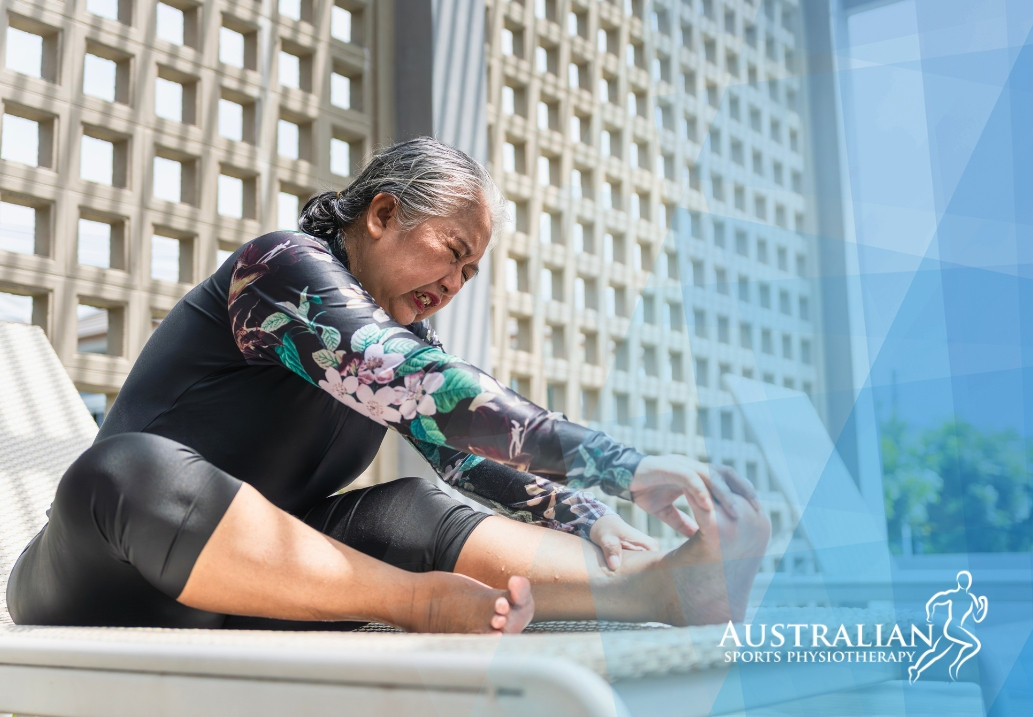
One misstep is all it takes, your foot rolls, a sharp pain hits, and suddenly walking becomes a challenge. Ankle sprains happen fast and often, yet many people underestimate how serious they can be.
Maybe your ankle swelled right away, or maybe you’ve had sprains before and worry this one might linger. Each sprain has a reason behind it, whether it’s weak ligaments, poor balance, or simply landing the wrong way at the wrong time.
Knowing what kind of sprain you’re dealing with and how it happens is the key to healing properly. With the right recovery steps, you can get back on your feet with confidence and reduce the chances of it happening again.
Ankle Sprains: What Happens When They Occur?
A sprained ankle is one of the most common injuries seen in both sports and everyday life. It occurs when the ligaments (strong bands of tissue that connect bones and stabilise the joint) are stretched or torn beyond their normal range.
The ankle is a complex joint where three bones: the tibia, fibula, and talus meet, supported by several key ligaments. The anterior talofibular ligament (ATFL) and calcaneofibular ligament (CFL) are the most frequently injured.
Sprains typically occur when the foot rolls inwards (inversion) or points downwards (plantarflexion), stressing these outer ligaments. This mechanism is especially common during running, jumping, or landing awkwardly, but it can also occur by misstepping off a curb.
Research suggests ankle sprains make up around 40% of all sporting injuries (Waterman et al., 2010), making them one of the leading causes of time lost in sport and active lifestyles.
Types of Ankle Sprains
1. Lateral ankle sprain
The most common type — accounting for about 85% of all ankle sprains (Doherty et al., 2020). It occurs when the ankle rolls inward, stretching or tearing the ATFL and sometimes the CFL. Expect pain, swelling, and bruising on the outside of the ankle.
2. Medial ankle sprain
Less common, these injuries affect the deltoid ligament on the inner side of the ankle, often due to the foot rolling outward (eversion). Pain and swelling appear on the inside of the ankle, and recovery can be slower due to the ligament’s strength and location.
3. High ankle (syndesmotic) sprain
These involve the ligaments connecting the tibia and fibula. They typically occur with forceful twisting or impact — for example, in football or skiing. High ankle sprains are more serious and often require longer rehabilitation, with pain and swelling across the front and outer ankle.

Importance of Physiotherapy in the Management of Ankle Sprains
Because sprains vary in severity, ranging from mild overstretching to complete ligament tears, an accurate diagnosis is essential.
A physiotherapist can assess which ligaments are involved, identify any associated bone or tendon injury, and design an individualised rehab plan to restore movement, strength, and stability.
Most importantly, poor management of ankle sprains can lead to the development of chronic ankle instability.
Exercise Progressions After an Ankle Sprain
Once we’ve settled the pain and swelling with treatments like hands-on therapy, taping, or shoe inserts, it is important to begin strength training. Strengthening and retraining the ankle is what gives you confidence and prevents future sprains.
1. Regaining movement and strength
In the early stages, the goal is to restore ankle movement (especially upward motion, or dorsiflexion) and rebuild strength in the small stabilising muscles of the foot and ankle. Simple exercises like ankle circles, towel scrunches, and resistance band work are great starting points.
As you progress, we focus on building strength in all directions: up, down, in, and out and strengthening other lower limb muscles like the calves and glutes, which help protect the ankle during sport.
2. Balance and control
Balance training is key to preventing repeat injuries. At first, it might be as simple as standing on one leg, then gradually making it harder – adding a cushion underfoot, closing your eyes, or catching a ball.
Over time, balance should be challenged to mimic the demands of daily life, i.e things like standing on your toes or landing from a small hop.
3. Full-body strength
Once the ankle is stable, it’s important to strengthen the whole leg. Exercises like squats and lunges build strength and control through the entire lower body, thereby helping the ankle handle everyday and sporting demands.
4. Plyometrics and running
When strength and stability improve, we add jumping and running drills. These help your ankle adapt to quick movements and landings, preparing you for sport-specific actions like sprinting, jumping, and cutting. Progression is gradual — starting with small hops or skipping and working up to fast, explosive movements.
5. Change of direction and return to sport
The final stage focuses on agility and confidence. Drills like shuttle runs, zig-zags, and direction changes help rebuild trust in your ankle and get you ready for the demands of a match.
Your physio will tailor these exercises to your sport so you can return safely and perform at your best.
Final Thoughts
An ankle sprain might feel like a simple twist, but giving it the right attention makes all the difference. Understanding what caused it, an accurate diagnosis of the type of sprain, and following proper recovery steps can prevent lingering pain and repeat injuries.
With the right care, rest, strengthening, and guided rehabilitation, you can restore stability, protect your joints, and get back to moving comfortably. Paying attention to your body now sets you up for stronger, safer steps in the future.
Supporting Safe Movement After Ankle Injuries
 Ivanhoe is a well-established suburb in Melbourne’s north-east, known for its green spaces, community amenities, and active lifestyle. With convenient access to walking trails, sporting facilities, and local services, it supports residents of all ages. Australian Sports Physiotherapy offers physiotherapy services within Ivanhoe and surrounding suburbs, supporting individuals with movement, recovery, and physical wellbeing.
Australian Sports Physiotherapy is committed to providing clear education that supports informed choices around injury management. The blog Understanding Ankle Sprains: Causes, Types And Recovery outlines key considerations for recognising ankle injuries early and understanding recovery expectations. Individuals seeking further information or a personalised assessment are encouraged to contact Australian Sports Physiotherapy for a consultation. Those looking for physio Ivanhoe services can connect with the clinic to discuss ankle sprains, movement concerns, and appropriate recovery planning based on individual needs and goals.


Contact Information:
Australian Sports Physiotherapy
73 Upper Heidelberg Rd
Victoria, Ivanhoe 3079
Australia
David Georgy
+61 1300 651 256
https://australiansportsphysio.com/


Original Source: https://australiansportsphysio.com/understanding-ankle-sprains/