
What Are the Dangers of an Overgrown Tree in Phoenix?
Phoenix, United States - September 18, 2026 / Design Tree Maintenance /
Seasonal growth can gradually make a tree’s canopy denser, leaving it noticeably denser than before. Homeowners may therefore benefit from learning how tree trimming improves airflow within a dense canopy.
In this press release, Design Tree Maintenance explains the dangers of an overgrown tree and the conditions that may require professional evaluation in Phoenix, AZ.
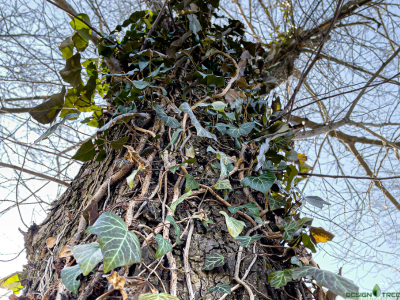
Signs of Structural Tree Damage
Understanding tree anatomy helps homeowners see how trunk or root damage can affect a tree's overall stability. Visible changes to the trunk or root zone may signal structural problems, making the following warning signs important to recognize:
Recent leaning: A new tilt may indicate movement in the root system or surrounding soil.
Trunk cavities: Hollow or softened areas can show that internal wood has deteriorated.
Bark separation: Large cracks or peeling sections may expose weakened tissue.
A professional evaluation can determine whether trimming is appropriate or removal is needed.
How Overgrown Trees Can Cause Property Damage
Among the dangers of an overgrown tree, overextended limbs can threaten nearby structures if they fail. A weakened union may allow a branch to break and strike surfaces below the canopy. Roots pose a separate concern when they grow beneath paved surfaces, lifting them or making them uneven.
Signs of Pests and Diseases in Overgrown Trees
Dense foliage can hide pest infestations or early tree diseases until the following signs become visible:
Bark openings: Clusters of small, round holes may show where beetles or other wood-infesting insects emerged.
Wood residue: Powdery sawdust or small wood shavings near the trunk may indicate insects tunneling beneath the bark.
Canopy thinning: Fewer leaves on one limb or section of the canopy may indicate branch dieback.
Fungal growth: Mushrooms or shelf-like growths on the trunk or near the roots may indicate decaying wood.
Homeowners can share these observations with Design Tree Maintenance when requesting a professional tree evaluation.
Why Overgrown Branches Near Utility Lines Require Caution
Branches that contact utility lines can create power-line hazards, and wind may move nearby limbs closer to energized equipment. Property owners must never cut or pull these branches and should notify the utility provider from a safe distance. Tree trimming should begin only after the utility provider confirms safe working conditions.
How Phoenix Tree Trimming Addresses Uneven Growth
An overgrown canopy places more weight at the ends of long limbs. Wind can increase the force on extended branches, especially when foliage is concentrated on one side of the tree. Dense growth can also limit a property owner's view of branch unions. Selective trimming can reduce excess end weight without removing more live growth than necessary.
About Design Tree Maintenance in Phoenix
Founded in 1995 by Robert L. Kett, Design Tree Maintenance provides professional tree care in Arizona. It maintains long-standing affiliations with the International Society of Arboriculture and the Western Chapter ISA. It is also a three-time finalist for the Better Business Bureau Ethics Award.
The company’s crews assess visible signs of instability before beginning professional tree trimming. Property owners concerned about the dangers of an overgrown tree can call (623) 587-8170 to schedule service in Phoenix, AZ.


Contact Information:
Design Tree Maintenance
1635 W Park View Ln, Phoenix, AZ 85085 ROC: 330404
Phoenix, AZ 85085
United States
Robert L. Kett
https://designtreeaz.com/
Original Source: https://designtreeaz.com/dangers-of-an-overgrown-tree/